Rose of Baltimore: Vintage Elegance for Modern Embroidery
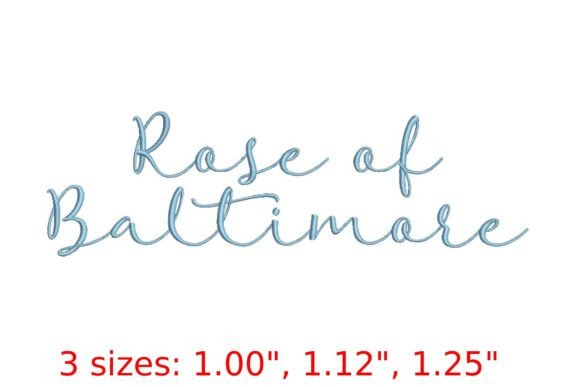
The Rose of Baltimore Embroidery Font isn't just another script typeface digitized for stitches. It carries a distinct personality, one rooted in the flourished calligraphy of a bygone era. Imagine the delicate loops and graceful connections of vintage penmanship, translated into thread. This font offers a sophisticated elegance that feels both timeless and intentionally crafted. Its letterforms feature a balanced rhythm, avoiding overly ornate or overly simplistic extremes. The result is a script that reads as romantic, refined, and slightly nostalgic, perfect for projects that demand a touch of handmade charm without sacrificing legibility.
Where This Script Font Truly Shines
Understanding where the Rose of Baltimore Embroidery Font excels is key to using it effectively. Its strength lies in applications where a personal, artisanal touch is desired. Think beyond basic monograms. This script font is ideal for embellishing wedding linens—think delicate napkins, ring bearer pillows, or the bride's handkerchief. It adds a heirloom quality to baby gifts, such as blankets, bibs, or the classic stuffed animal's ear. For home decor, consider it for decorative throw pillows, elegant table runners, or personalized tea towels that feel like a curated find from a boutique.
In the commercial space, its value extends to small business branding for artisans. A jewelry maker could use it for their logo on a fabric jewelry pouch. A baker might embroider it on aprons or packaging tags. It's also a compelling choice for special occasion apparel, like customizing a denim jacket for a bride or adding a child's name to a christening gown. The font's personality aligns perfectly with products and projects that tell a story of care, tradition, and personal connection.
Practical Guidance for Your Project
Choosing a font for embroidery is different than for print. You must consider the physical medium. The Rose of Baltimore Embroidery Font is designed as a premium font with machine embroidery in mind, meaning its strokes and connections have been optimized to stitch cleanly. Before you commit, always test the font on a scrap of the same fabric you'll use for your final project. Stitch density, underlay, and pull compensation all interact with thread and fabric. A letter that looks perfect on screen may need adjustments to stitch crisply on a thick cotton versus a delicate silk.
Evaluate the font pairing possibilities. While Rose of Baltimore is a standout script font, it can be balanced by a simple, clean sans serif font for supporting text. For instance, in a logo, you might pair the script brand name with a sans serif tagline stitched below. For a pillow, the script could feature the family name, with a simpler font used for a date or "Est. 2023." This creates visual hierarchy and ensures the elegant script doesn't overwhelm the entire design.
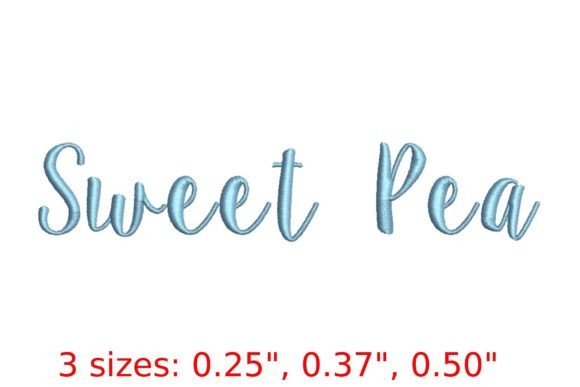
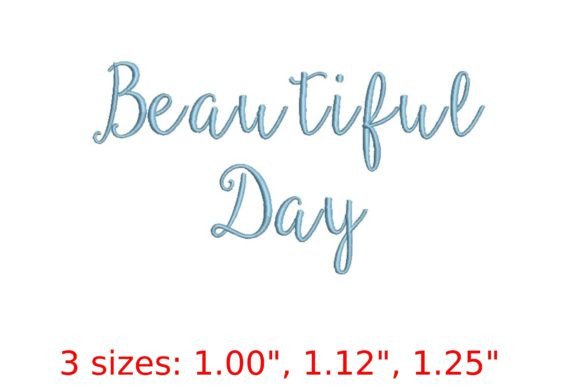
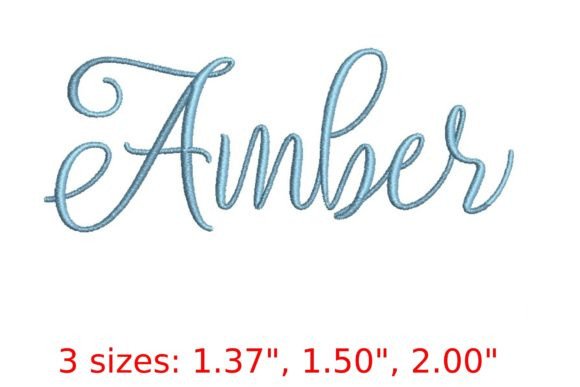
Always review the technical details provided. The note about sizes and stitches for specific letters is crucial information. It gives you a realistic expectation of the design assets you're working with. Larger sizes will have more detail and a higher stitch count, which affects production time and thread usage. The availability of multiple embroidery file formats is a practical necessity, ensuring compatibility with your specific machine, whether it's a Brother, Janome, Bernina, or other model. This attention to technical detail is what separates a usable commercial font from a frustrating one.
Elevating Brand and Personal Projects
For entrepreneurs and creators, consistent use of a distinctive font like Rose of Baltimore can become a cornerstone of brand identity. If your brand values craftsmanship, heritage, or feminine elegance, this typeface can visually communicate that across all your embroidered goods. It becomes a recognizable signature. Imagine your customers spotting that graceful script on a product tag and immediately connecting it with your shop's aesthetic. That's powerful, non-verbal marketing built directly into your product.
For personal projects and hobbyists, the font is a tool for transformation. It can turn a simple store-bought tote bag into a personalized gift. It can add a layer of meaning to a quilt by stitching a loved one's name in a beautiful script. The "Rose of Baltimore" style encourages you to think of embroidery not just as decoration, but as a form of editorial design for fabric—where typography sets the tone and tells a part of the story.
Ultimately, the Rose of Baltimore Embroidery Font is a specialized creative font in the realm of modern typography for textiles. It bridges the gap between digital design and physical craft. By choosing it, you're not just picking letters; you're selecting a mood, an era, and a level of sophistication that can genuinely elevate your work from homemade to handcrafted with professional polish.