Old Handwriting Olive Junk Journal: A Deep Dive
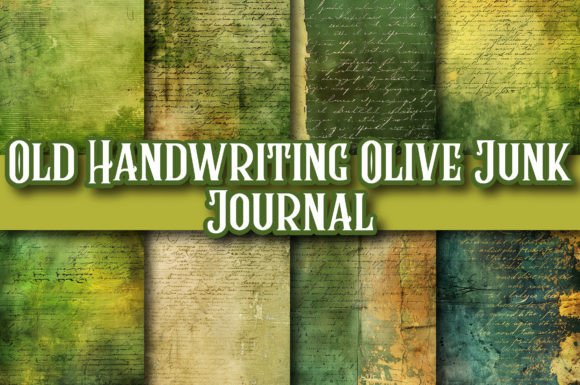
There’s a particular magic in finding an old letter in a trunk—the kind written on thick, cream-colored paper with faded olive-green ink. That feeling of tangible history, of stories held within the fibers, is exactly what the Old Handwriting Olive Junk Journal collection captures. It’s more than a set of printable textures; it’s a toolkit for injecting authentic, layered narrative into your design work.
For designers, crafters, and brand strategists, this collection offers a distinct aesthetic: a rich, earthy olive palette combined with the raw, imperfect grace of vintage script. It avoids the sterile perfection of modern digital assets, instead embracing the slight variations and distressed edges that make old documents feel genuinely human. This is a creative font and texture suite that doesn’t just sit on a page—it tells a story.
The Anatomy of an Authentic Aesthetic
At its core, the Old Handwriting Olive Junk Journal is a curated set of design assets built around a central theme: the convergence of handwritten elegance and aged materiality. The visual personality is defined by several key elements. The grungy script overlays provide the foundational typography, featuring a flowing, connected script font that mimics the pressure and rhythm of a dip pen. This isn't a polished calligraphy font; it’s a handwritten font with character, where slight imperfections in letterforms add authenticity.
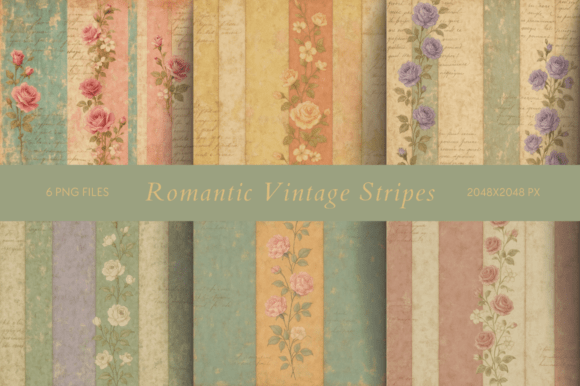
Supporting this are the printable aged manuscript textures and beige printable journal pages. These aren't flat, digital beige backgrounds. They are layered, with subtle stains, paper grain, and faint fold lines that suggest a life lived in a drawer or a suitcase. The olive tint is subtle, often appearing as a color wash over the paper or as the primary ink color, creating a cohesive, muted, and sophisticated palette that feels both warm and antiquated.
The collection’s strength lies in its versatility as a premium font and texture bundle. You’ll find vintage handwriting PNG overlays perfect for layering in Photoshop, antique documents for background elements, and ephemera receipt bundles that add micro-narratives to layouts. The inclusion of abstract old map designs and aged vintage maps expands its use beyond purely typographic projects, offering geographical and exploratory visual cues.
Where This Collection Truly Shines
Understanding where the Old Handwriting Olive Junk Journal excels is about matching its inherent personality to the right project. Its strength isn't in clean, corporate web design or minimalist tech branding. Instead, it thrives in contexts where heritage, craftsmanship, storytelling, and a personal touch are valued.
- Brand Identity & Packaging: This is a powerhouse for artisan brands. Think small-batch coffee roasters, boutique apothecaries, heritage textile companies, or independent bookshops. The typeface and textures can form the basis of a brand identity that communicates handmade quality and timelessness. Use it for logo design (for a wordmark or emblem), labels, hang tags, and tissue paper patterns.
- Editorial & Publishing: For editorial design, particularly in magazines, lookbooks, or book covers focused on history, travel journals, memoir, or poetry, these assets are invaluable. They can be used for chapter headings, pull quotes, or as background textures to set a specific mood. The handwritten letter patterns are perfect for creating fictional correspondence within a narrative layout.
- Digital & Social Media: In the digital space, it cuts through the noise. Use it for social media graphics for brands in the lifestyle, vintage, or creative space. It’s excellent for quote cards, promotional announcements for workshops or markets, and Instagram Story backgrounds that feel personal and curated rather than algorithmic.
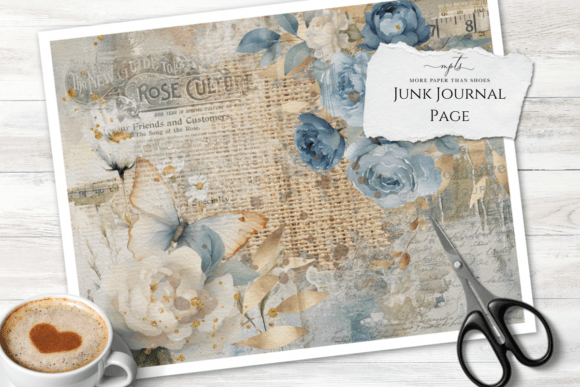
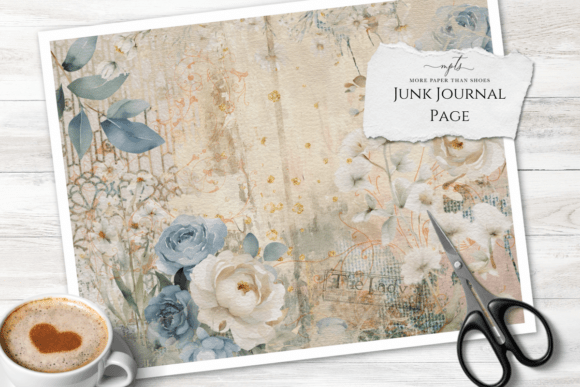
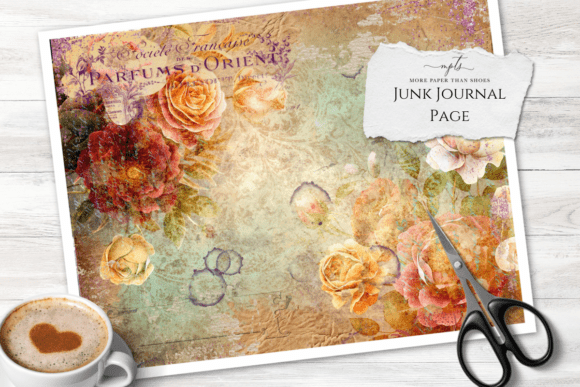
- Physical Crafts & Junk Journaling: This is its native habitat. The digital old writing and calligraphy patterns are designed for print and use in physical journals, scrapbooks, and mixed-media art. The grunge paper backgrounds and distressed pages provide a perfect base layer for collage and embellishment.
Making It Work: Practical Application and Pairing
Using a display font with such a strong personality requires a thoughtful approach to ensure it enhances rather than overwhelms your project. The goal is to harness its vintage allure while maintaining clarity and purpose.
1. Establish a Clear Hierarchy: Never set a full paragraph in the primary Old Handwriting script. Its intricate nature makes it best suited for headlines, logos, or short, impactful phrases. Pair it with a clean, highly readable sans serif font or a simple, sturdy serif font for body text. For example, a modern geometric sans serif like Montserrat or a classic serif like Garamond provides a stable foundation that lets the handwritten headlines sing.
2. Evaluate the Project’s Voice: Ask yourself: Does this project need to feel like a discovered artifact? If you’re designing for a tech startup, probably not. If you’re creating a menu for a farm-to-table restaurant, a wedding invitation for a rustic event, or a website for a historical society, the answer is likely yes. The Old Handwriting Olive Junk Journal is a creative font suite that communicates a specific emotional tone—nostalgic, thoughtful, and organic.
3. Test for Readability and Context: Always test your chosen font pairing at the sizes it will be viewed. A script that looks elegant at 72pt on a poster might become an unreadable squiggle at 12pt on a mobile screen. Use it strategically. The ledger handwriting overlays might work beautifully as a subtle background texture where the text isn't meant to be read word-for-word, but rather felt as part of the atmosphere.
4. Leverage the Full Asset Library: Don’t just use the font. The vintage handwritten receipts, old school notes, and decorative papers are not mere add-ons; they are integral to creating a cohesive world. Use a receipt as a business card background, or a map as a section divider in a brochure. This integrated approach builds a richer, more immersive visual hierarchy.
5. Understand the Licensing: Since this is a commercial font and asset collection, confirm the license covers your intended use—whether for client work, printed merchandise, or digital products. This is a critical step for any professional project.
The Old Handwriting Olive Junk Journal is ultimately a bridge between the digital and the tactile. It offers designers and creators a way to bypass sterile digital aesthetics and connect with an audience through the universally resonant language of handwritten history and aged material. It’s not about replicating the past, but about borrowing its most compelling qualities to create something new that feels deeply authentic.