Custom Floral Name Embroidery: The Elegant Design Element
Understanding the Craft Beyond the Stitch
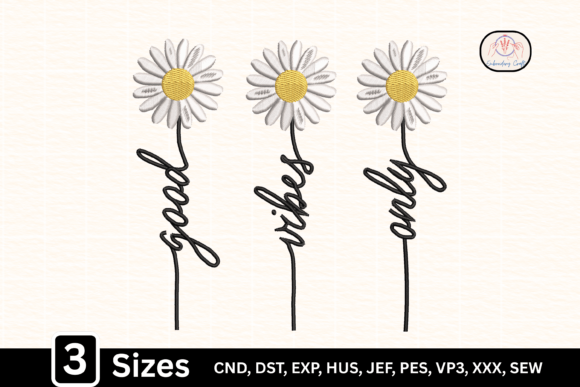
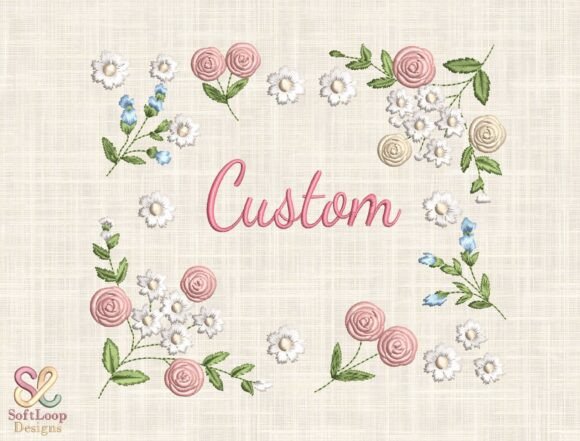
When we talk about design assets in the digital age, we often forget that texture is a language of its own. The Custom Floral Name Embroidery Design represents a fascinating intersection of traditional craft and modern digital utility. Visually, it is an intricate tapestry of soft pastel wildflowers, romantic rose blooms, and delicate daisy accents. These botanical elements are not merely scattered; they are arranged in charming compositions that frame a central script lettering. This creates a specific aesthetic that balances the organic irregularity of nature with the intentional structure of a monogram.
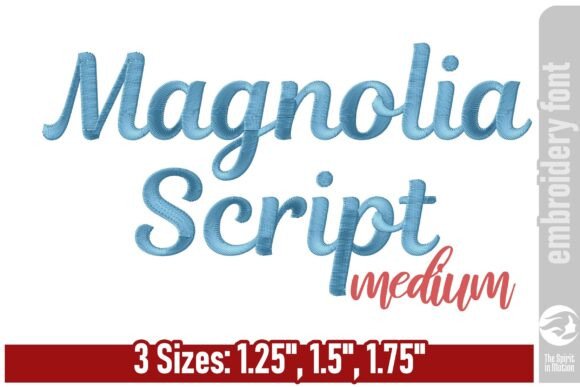
The personality of this design is undeniably feminine, soft, and nostalgic. It evokes a cottagecore sensibility that feels handmade and cozy. The "font" aspect—though technically a digitized stitching pattern—mimics the elegance of a script font or handwritten font. The lettering features smooth satin stitch finishes that catch the "light" digitally just as they would on fabric. It is a premium font style asset that communicates warmth, care, and intimacy. Unlike the cold precision of a geometric sans-serif, this design invites the viewer to pause and appreciate the details.
Strategic Applications: Where Texture Meets Typography
For designers and entrepreneurs, knowing where to deploy a custom floral name embroidery design is key to maximizing its impact. This style excels in environments where emotional connection and perceived value are paramount.
- Brand Identity and Packaging: If you are building a brand in the wellness, beauty, or bridal space, this design offers a distinct voice. It works beautifully as a logo design element for a boutique or a handmade goods seller. The floral details provide immediate context—suggesting natural ingredients or handcrafted quality—without needing additional imagery. When used in packaging design, it elevates a simple box or label into a keepsake.
- Editorial and Web Design: In editorial design, this asset serves as a stunning drop cap or a pull-quote decorator. It breaks up the monotony of standard serif or sans serif font body text. For web design, it is perfect for hero sections on lifestyle blogs or wedding portfolios, providing a rich, textured background that standard vector graphics often lack.
- Physical Products and Merchandise: The application is literal here. This design is optimized for actual embroidery machines. It translates perfectly onto tote bags, denim jackets, baby blankets, and nursery wall art. For a small business owner, offering personalized items using this creative font style can significantly increase the perceived worth of a product.
Visual Hierarchy and Audience Perception
Typography and design elements guide the eye, but they also shape opinion. Using a Custom Floral Name Embroidery Design influences how your audience perceives your brand or project. The intricate layering of threads and petals creates a high degree of visual complexity. This suggests a brand that values detail and quality—traits associated with professionalism in the artisan sector.
However, readability is a critical consideration. Because this is a display font style asset, it is meant for headlines and names, not body copy. The "lettering" relies on the contrast between the floral corners and the negative space of the script. If used too small, the delicate daisy details and rose textures will muddy together, becoming visual noise rather than a legible name. Always ensure the scale allows the viewer to appreciate the "stitching" texture.
Integrating with Modern Typography
One of the biggest challenges in using such a specific style is font pairing. You cannot simply drop this embroidery design next to any text. It demands a partner that complements its romantic nature without competing for attention.
- Pair with Clean Serifs: A classic, elegant serif font works well for supporting text. The serifs have a traditional structure that echoes the timeless nature of the embroidery without the visual clutter of flowers.
- Use Minimalist Sans Serifs: For a more modern brand identity, pair the embroidery design with a clean, geometric sans serif font. This creates a "high-low" contrast, grounding the whimsical floral elements in contemporary minimalism.
- Avoid Other Scripts: Do not pair this with another handwritten font. The visual styles will clash, creating a chaotic and amateurish layout.
Practical Guide for Implementation
Before integrating this design into your workflow, consider the technical and licensing realities. This is not just a digital asset; it is a complex set of data that requires specific handling.
Evaluating Project Fit: Ask yourself if the "handmade" aesthetic aligns with the message. While perfect for a florist or a wedding planner, this design would feel out of place for a corporate law firm or a tech startup. It is a commercial font asset best suited for B2C markets focusing on lifestyle and personal connection.
Technical Testing: If you are using this for social media graphics or web design, test the file on various screen resolutions. The fine lines of the daisy petals can sometimes flicker or disappear on lower-resolution mobile screens. You may need to simplify the design or increase the size for mobile views.
Licensing and Scalability: Ensure you have the appropriate license for your use case. If you are a designer creating a logo for a client, you need a license that permits commercial usage and transfer of rights. If you are using it for personal nursery décor, a personal license suffices. Always check if the file format (such as SVG, PES, or DST) is compatible with your software, whether it is Adobe Illustrator for digital work or embroidery software for physical production.
The Emotional ROI of Texture
In a digital landscape dominated by flat vectors and gradients, the Custom Floral Name Embroidery Design offers a tactile rebellion. It reminds us that design can feel like fabric and thread. For content creators and marketers, this texture translates to trust. It suggests that a human hand was involved in the creation process. By strategically applying this design—whether as a watermark, a product label, or a personalized gift—you are not just decorating; you are communicating a value system that prioritizes beauty, care, and the timeless art of the stitch.